How to Improve Your Cardiovascular Health: The Habits That Actually Work
Heart disease remains the leading cause of death in the United States, yet most of the risk factors that drive it are within your control. The good news: you don't need a gym membership, expensive supplements, or a radical lifestyle overhaul to meaningfully improve your cardiovascular health. Small, consistent habits — backed by solid science — can lower your blood pressure, strengthen your heart muscle, and reduce your lifetime risk of a cardiac event. This guide breaks down exactly what to do and why it works.
Why Cardiovascular Health Matters at Every Age
Your heart beats roughly 100,000 times a day, pumping blood through nearly 60,000 miles of blood vessels. Over time, factors like high blood pressure, elevated LDL cholesterol, chronic inflammation, and sedentary behavior cause the arterial walls to stiffen and narrow — a process called atherosclerosis. The earlier you address these factors, the more you preserve your heart's long-term function.
Age plays a role, but it's not destiny. Research consistently shows that adults who adopt heart-healthy habits in their 40s and 50s can reverse early arterial stiffness and significantly reduce their 10-year cardiovascular risk score. Use the Age Calculator to understand where you are in your health timeline and set age-appropriate targets for blood pressure, resting heart rate, and activity levels.
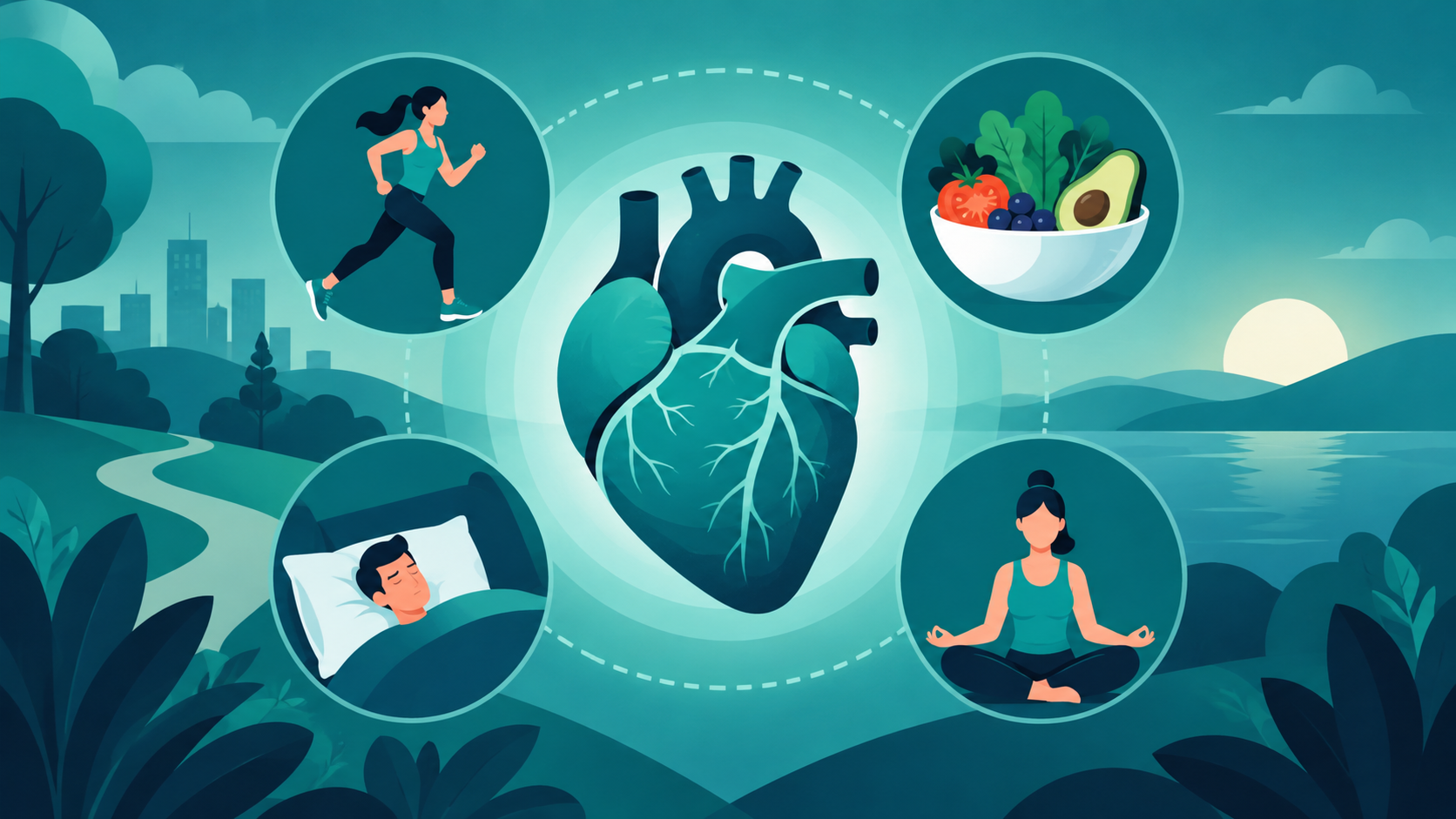
The Four Pillars of a Heart-Healthy Lifestyle
Cardiologists and public health researchers broadly agree on four lifestyle domains that have the greatest impact on cardiovascular outcomes. Addressing all four — even partially — compounds your benefit far beyond what any single change can achieve.
Regular aerobic movement. The American Heart Association recommends at least 150 minutes of moderate-intensity aerobic activity per week — think brisk walking, cycling, swimming, or dancing. This strengthens the heart muscle, lowers resting heart rate, and improves the efficiency of oxygen delivery throughout the body.
A whole-food, low-sodium diet. Diets rich in vegetables, fruits, whole grains, legumes, and lean proteins reduce LDL cholesterol and systemic inflammation. Limiting sodium to under 2,300 mg per day (ideally 1,500 mg for those with hypertension) directly lowers blood pressure.
Consistent, quality sleep. Adults who sleep fewer than six hours per night have a significantly higher risk of hypertension, obesity, and type 2 diabetes — all major cardiovascular risk factors. Aim for seven to nine hours in a cool, dark room with a consistent bedtime.
Stress management. Chronic psychological stress elevates cortisol and adrenaline, which over time raise blood pressure and promote arterial inflammation. Practices like mindfulness meditation, deep breathing, and regular social connection have measurable effects on cardiovascular biomarkers.
Know Your Numbers: The Metrics That Matter
You can't manage what you don't measure. These are the key cardiovascular health numbers every adult should know and track:
Blood pressure: Optimal is below 120/80 mmHg. Stage 1 hypertension begins at 130/80. Home monitors are inexpensive and give you a clearer picture than a single clinic reading.
Resting heart rate: A healthy resting heart rate for adults is 60–100 bpm; well-trained individuals often sit in the 50s. A consistently elevated resting heart rate can signal cardiovascular strain.
BMI and waist circumference: While BMI has limitations, a BMI above 30 is associated with increased cardiovascular risk. Waist circumference above 40 inches (men) or 35 inches (women) is an independent risk factor for heart disease. Use the BMI Calculator to get your current reading and track changes over time.
Cholesterol panel: Aim for LDL below 100 mg/dL, HDL above 60 mg/dL, and triglycerides below 150 mg/dL. Ask your doctor for a full lipid panel at your next annual physical.
Fasting blood glucose: Prediabetes (100–125 mg/dL) and type 2 diabetes dramatically increase cardiovascular risk. Catching elevated glucose early gives you the best window for lifestyle reversal.
Hydration and Heart Health: The Overlooked Connection
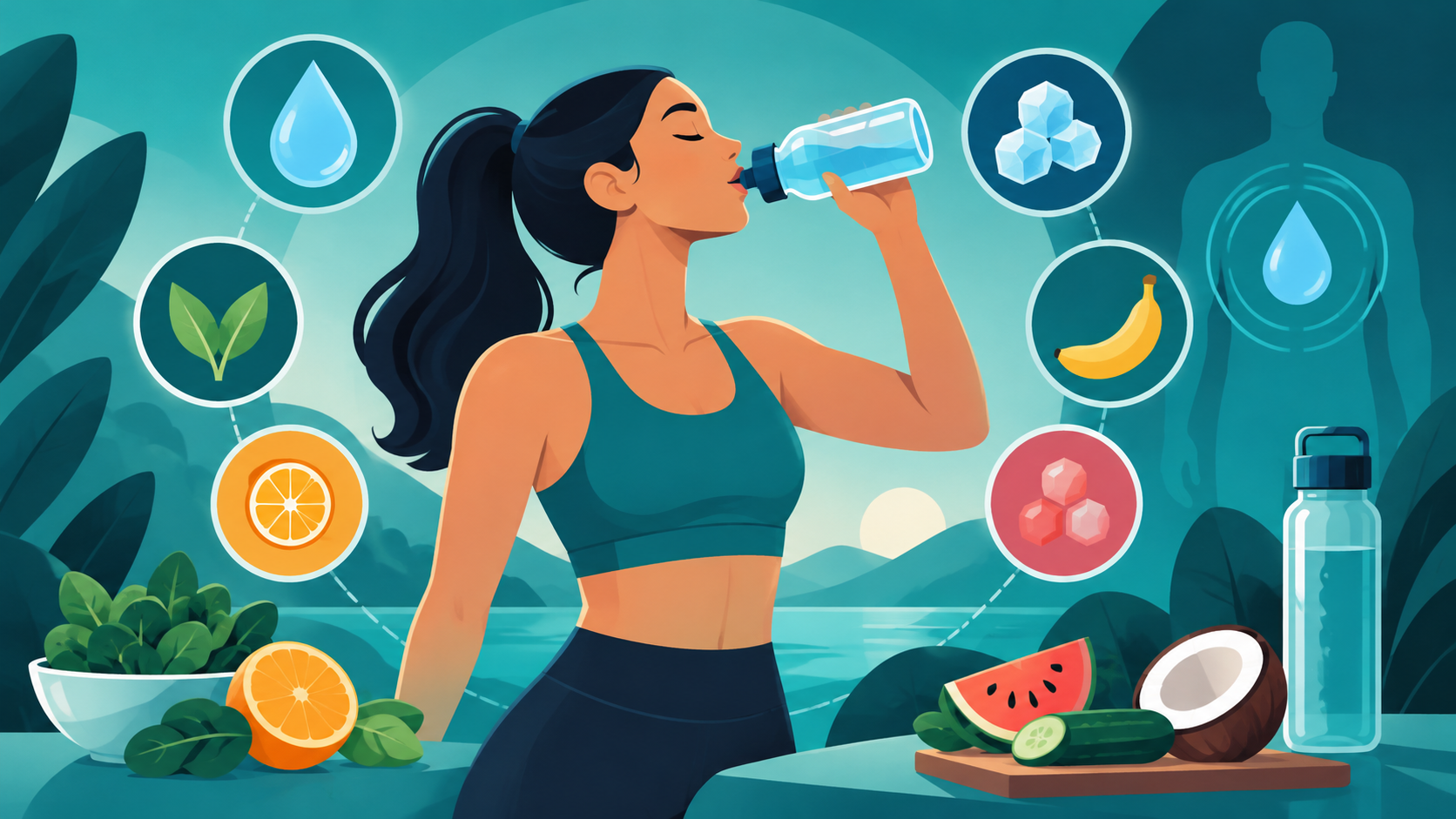
Adequate hydration is one of the simplest and most underrated cardiovascular habits. When you're even mildly dehydrated, your blood becomes more viscous, forcing your heart to work harder to pump it through your vessels. Chronic mild dehydration has been linked to elevated heart rate, reduced exercise tolerance, and higher rates of hypertension.
Most adults need between 2.7 and 3.7 liters of total water per day (from all sources, including food), but individual needs vary based on body size, activity level, climate, and health status. Use the Water Intake Calculator to get a personalized daily hydration target based on your weight and activity level — then make it a non-negotiable part of your routine.
Exercise Intensity: Finding Your Heart Rate Zones
Not all exercise is equally effective for cardiovascular conditioning. Training in the right heart rate zones ensures you're building aerobic capacity without overloading your system. A simple formula for your maximum heart rate is 220 minus your age. From there:
Zone 2 (60–70% of max HR): The fat-burning, aerobic base zone. This is where most of your weekly cardio should happen — conversational pace, sustainable for 30–60 minutes. It builds mitochondrial density and improves your heart's stroke volume.
Zone 3–4 (70–85% of max HR): Moderate to vigorous intensity. Brisk walking uphill, jogging, or cycling at a challenging pace. Improves VO2 max and cardiovascular efficiency.
Zone 5 (85–95% of max HR): High-intensity intervals. Short bursts (20–60 seconds) followed by recovery. Powerful for improving cardiac output, but should make up only 10–20% of total training volume.
If you're new to structured exercise, start with Zone 2 walks five days a week and build from there. Consistency over months matters far more than intensity in any single session.
Foods That Actively Protect Your Heart
Beyond avoiding processed foods and excess sodium, certain foods have strong evidence for actively reducing cardiovascular risk:
Fatty fish (salmon, mackerel, sardines): Rich in omega-3 fatty acids, which reduce triglycerides, lower inflammation, and modestly reduce blood pressure. Aim for two servings per week.
Leafy greens (spinach, kale, arugula): High in dietary nitrates, which the body converts to nitric oxide — a compound that relaxes blood vessels and lowers blood pressure.
Berries: Blueberries, strawberries, and raspberries are packed with anthocyanins, which have been shown to reduce arterial stiffness and improve endothelial function.
Nuts and seeds: Walnuts, almonds, flaxseeds, and chia seeds provide heart-healthy fats, fiber, and plant sterols that help lower LDL cholesterol.
Legumes: Beans, lentils, and chickpeas are high in soluble fiber, which binds to cholesterol in the digestive tract and removes it from the body before it can be absorbed.
When to Talk to Your Doctor
Lifestyle changes are powerful, but they work best alongside regular medical monitoring. Schedule a cardiovascular risk assessment with your primary care physician if you haven't had one in the past year — especially if you're over 40, have a family history of heart disease, smoke, or have been diagnosed with hypertension, high cholesterol, or diabetes. Your doctor can calculate your 10-year ASCVD risk score and help you decide whether medication is appropriate alongside lifestyle changes.
Warning signs that warrant immediate medical attention include chest pain or pressure, shortness of breath at rest, heart palpitations, dizziness, or pain radiating to the arm or jaw. Don't wait on these — call emergency services right away.
Start Small, Stay Consistent
Improving your cardiovascular health doesn't require perfection — it requires persistence. Pick one habit from this guide to start this week: a 20-minute walk after dinner, swapping one processed snack for a handful of walnuts, or setting a consistent bedtime. Track your resting heart rate each morning as a simple, free biomarker of progress. Over weeks and months, these small shifts compound into meaningful, measurable improvements in your heart health — and your quality of life.
Before you act on this
This article is for general educational purposes only. Everyone’s situation is different, so before making any decisions please refer to a qualified doctor or licensed healthcare professional who can advise you based on your specific circumstances.