How to Stay Properly Hydrated: Why Water Alone Isn't Enough
You've heard it a thousand times: drink eight glasses of water a day. But if you've ever felt sluggish, foggy, or crampy despite drinking plenty of water, you already know that hydration is more complicated than that. The truth is, staying properly hydrated isn't just about how much water you drink — it's about what's in that water, when you drink it, and how your body is actually using it.
Why the "8 Glasses a Day" Rule Falls Short
The eight-glasses rule is a rough guideline that ignores almost everything that makes you an individual. Your hydration needs depend on your body size, activity level, climate, diet, and even the medications you take. A 130-pound office worker in Minnesota has very different needs than a 200-pound construction worker in Arizona — yet both are told to drink the same amount.
A better starting point is to calculate your actual daily water needs based on your body weight and activity level. Our Water Intake Calculator factors in your weight, exercise habits, and climate to give you a personalized daily target — not a one-size-fits-all number. Most active adults need significantly more than eight glasses, especially on workout days.
The Electrolyte Problem Nobody Talks About
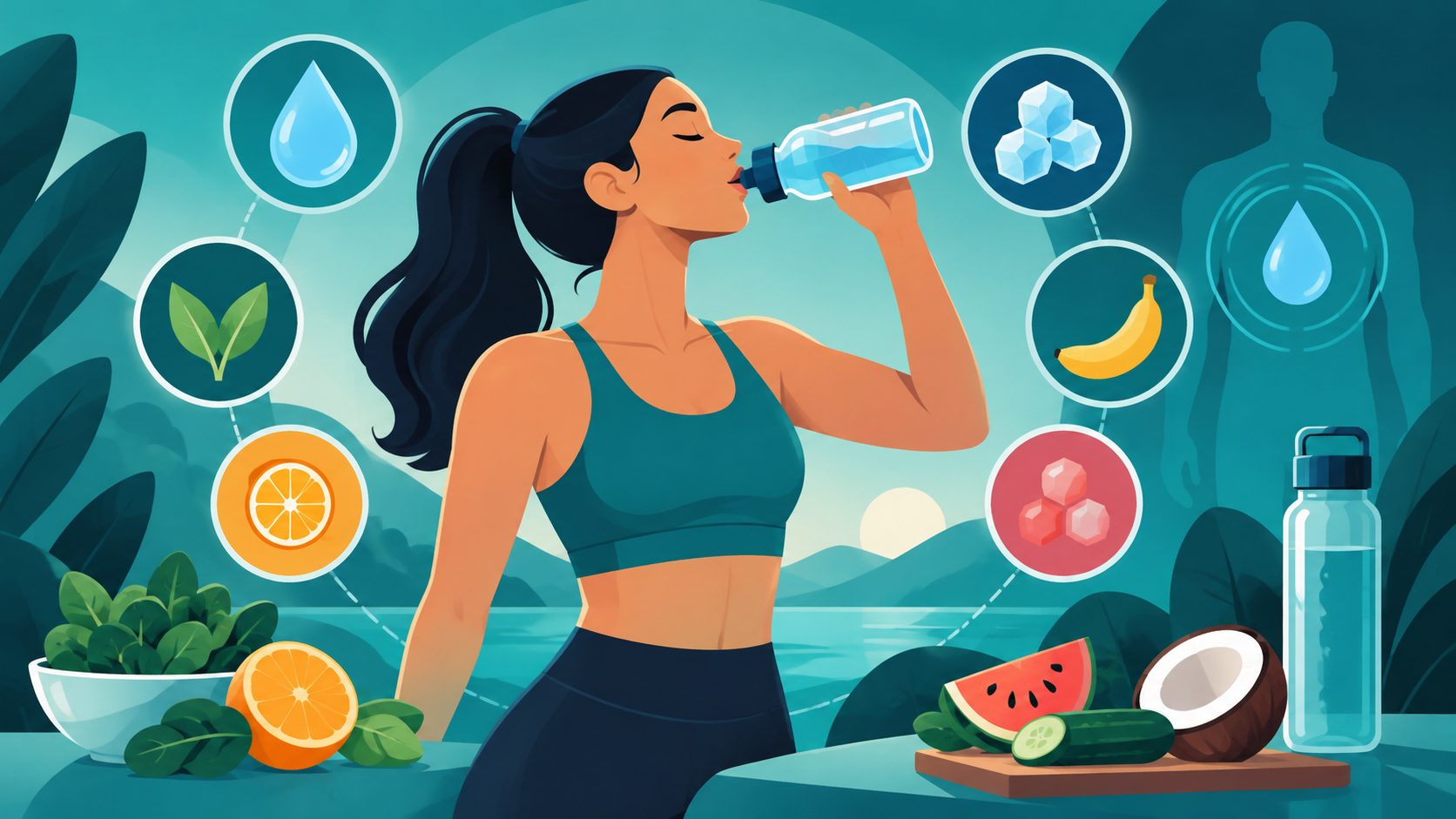
Here's the part most hydration advice skips entirely: water alone can't hydrate you properly. Your cells need electrolytes — sodium, potassium, magnesium, and chloride — to actually absorb and use the water you drink. Without them, water passes through your system without doing its job, and you can end up feeling just as depleted as if you hadn't drunk anything at all.
This is especially true if you exercise regularly, sweat heavily, or follow a low-carb diet. Carbohydrates help your body retain sodium, so when you cut carbs, you excrete more sodium — and with it, water. That's why people on keto or low-carb diets often feel fatigued and foggy in the first week: they're not just losing water weight, they're losing electrolytes.
Signs you may be low on electrolytes include:
Muscle cramps, especially at night or after exercise
Persistent fatigue even after a full night's sleep
Headaches that don't respond to rest
Brain fog or difficulty concentrating
Heart palpitations or irregular heartbeat
Dizziness when standing up quickly
How to Replenish Electrolytes Without Sugary Sports Drinks
Most commercial sports drinks are loaded with sugar and artificial dyes — not exactly what your body needs. The good news is that you can replenish electrolytes naturally through food and smarter drink choices.
For sodium, a small pinch of sea salt in your water bottle goes a long way. For potassium, reach for bananas, avocados, sweet potatoes, and leafy greens. Magnesium is found in nuts, seeds, dark chocolate, and legumes. If you're sweating heavily during workouts, consider an electrolyte powder or tablet with no added sugar — there are several good options that contain only the minerals you need.
A simple DIY electrolyte drink: mix 16 oz of water with a pinch of sea salt, a squeeze of lemon juice, and a small amount of honey or maple syrup. It's cheap, effective, and free of artificial ingredients.
Timing Your Hydration for Maximum Effect
When you drink matters almost as much as how much you drink. Your body loses water overnight through breathing and sweating, so you wake up in a mild state of dehydration every single morning. Starting your day with 16–20 oz of water before coffee or food is one of the highest-leverage habits you can build for energy and mental clarity.
Before exercise, aim to drink 16–20 oz of water in the hour leading up to your workout. During exercise, sip 6–8 oz every 15–20 minutes. After exercise, replace what you lost — a good rule of thumb is 16–24 oz for every pound of body weight lost during the session (you can weigh yourself before and after to estimate this).
Your calorie and energy needs also affect how much fluid you need. If you're in a caloric deficit for weight loss, your body is working harder metabolically, which can increase fluid needs. Use our TDEE Calculator to understand your total daily energy expenditure — higher activity levels mean higher fluid requirements, and knowing your TDEE helps you calibrate both your nutrition and hydration strategy together.
Foods That Hydrate You (Beyond Just Drinking Water)
About 20% of your daily water intake comes from food, not drinks. Eating water-rich foods is an easy way to boost hydration without forcing yourself to chug more glasses. Some of the most hydrating foods include:
Cucumber — 96% water, plus silica for skin health
Watermelon — 92% water, with natural electrolytes
Strawberries — 91% water, high in vitamin C
Celery — 95% water, with natural sodium and potassium
Zucchini — 94% water, easy to add to almost any meal
Oranges — 87% water, with potassium and vitamin C
Building meals around these foods — especially in summer or on high-activity days — can meaningfully reduce how much you need to drink to stay hydrated.
How to Know If You're Actually Hydrated
The simplest and most reliable hydration check costs nothing: look at your urine. Pale yellow (like lemonade) means you're well hydrated. Dark yellow or amber means you need more fluids. Clear urine can actually indicate overhydration, which dilutes your electrolytes and can cause its own problems.
Other signs of good hydration: your skin bounces back quickly when pinched (the "skin turgor" test), you rarely feel thirsty, and your energy levels are consistent throughout the day without major afternoon crashes.
If you're tracking your nutrition and fitness goals, pairing your hydration habits with your macro targets can make a real difference. Our Macro Calculator helps you dial in your protein, carb, and fat targets — and since carbohydrate intake directly affects how your body retains water and electrolytes, understanding your macros is part of understanding your hydration needs.
Building a Hydration Habit That Actually Sticks
Knowing you should drink more water and actually doing it consistently are two different things. Here are a few practical strategies that work:
Anchor it to existing habits. Drink a glass of water every time you make coffee, sit down at your desk, or finish a meal. Habit stacking is more reliable than willpower.
Use a large water bottle. A 32 oz bottle means you only need to refill it twice to hit 64 oz. Fewer decisions, less friction.
Set hourly reminders. A simple phone alarm or app reminder can break the cycle of forgetting to drink until you're already thirsty.
Make it appealing. Add lemon, cucumber, mint, or berries to your water if plain water feels boring. You're more likely to drink something you enjoy.
Track it for one week. Just seven days of logging your intake builds awareness and often reveals patterns — like realizing you drink almost nothing before noon.
Proper hydration isn't glamorous, but it's one of the highest-return health habits you can build. Better energy, clearer thinking, improved athletic performance, healthier skin, and more efficient digestion are all downstream of drinking enough of the right fluids at the right times. Start with your personalized target, add electrolytes when needed, and build the habit one day at a time.
Before you act on this
This article is for general educational purposes only. Everyone’s situation is different, so before making any decisions please refer to a qualified doctor or licensed healthcare professional who can advise you based on your specific circumstances.