
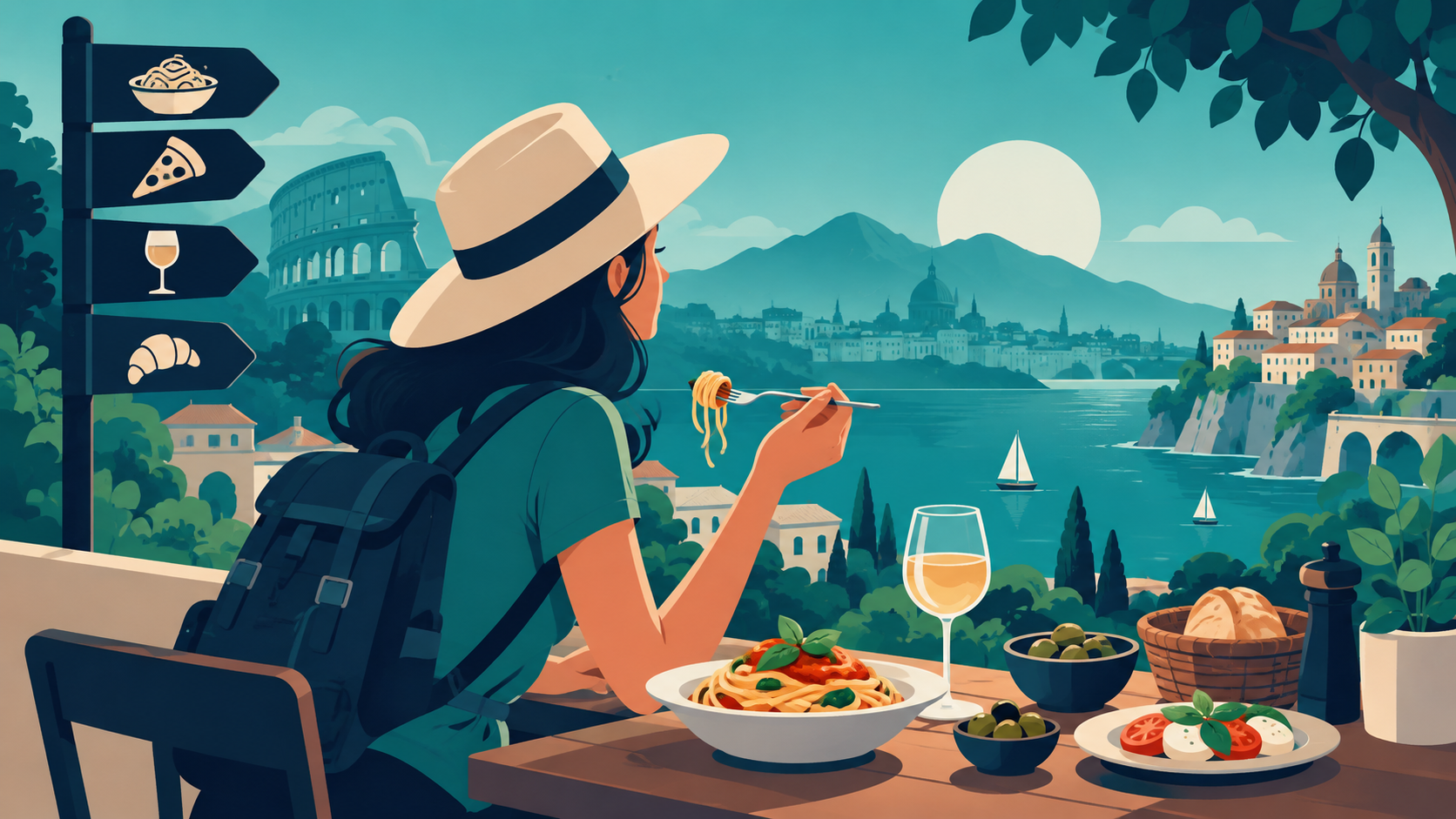
'Biteseeing' Is the New Sightseeing: GetYourGuide Data Shows 82% of Travelers Now Plan Trips Around Food
'Biteseeing' — the travel trend that puts food first and landmarks second — has officially gone mainstream, according to new data released this week by travel experience platform GetYourGuide. The findings, published November 12, 2026, reveal that 82% of British travelers would now specifically travel for regional food experiences, with culinary exploration overtaking cultural and historical sightseeing as the primary motivation for planning a trip.
What Is 'Biteseeing'?
GetYourGuide coined the term "biteseeing" to describe the growing movement of travelers who plan their itineraries around food — not just restaurants, but immersive culinary experiences like truffle hunting in Piemonte, olive oil harvesting in Tuscany, or cooking classes with local chefs in their own homes. The data is striking: food experience bookings on the platform grew 47% year over year, compared with just 16% growth for cultural and historical site bookings.
The 2026 Food Travel Monitor adds further weight to the trend, finding that three-quarters of tourists now qualify as culinary travelers, rating the importance of food and drink at an all-time high of 8.2 out of 10. And according to the WTM Global Travel Report 2026 — released following the World Travel Market London event held November 3–5 — 61% of travelers across all age groups say they are very interested in sampling local food and drink during their trips.
Why Food Has Overtaken Landmarks
Tourism researcher Michael O'Regan of Glasgow Caledonian University told Metro that the shift is rooted in the broader "experience economy." "A landmark can be photographed in a few seconds, but food has to be tasted, shared, and often learned," he explained. "Social media rewards that, and after the pandemic people value travel that feels personal and local."
Christy Palma, a licensed culinary guide and founder of Tuscany Flavor, puts it plainly: "Authenticity is becoming the new luxury." Travelers are no longer satisfied with a restaurant meal — they want to walk through an olive grove in the morning, watch the pressing, and taste the oil that afternoon. They want to understand where their food comes from, who made it, and why it matters.
Laida Nowell, co-founder of Croatian Villa Holidays, agrees: "When you eat and drink what is grown a few hundred metres from your table, you start to understand what the landscape gives and what the people who farm it have chosen to do with it." That kind of connection, she argues, is something no guidebook or museum can replicate.
The Most Popular 'Biteseeing' Experiences Right Now
GetYourGuide's research highlights two ingredients driving the most travel decisions among British tourists:
Truffles: 47% of Brits say they would travel specifically for a truffle experience. Piemonte in northern Italy and Istria in Croatia are the top destinations, with guided hunts using trained dogs becoming a signature activity.
Olive oil: 50% would travel for an olive oil experience. Tuscany and Istria lead here, with visitors able to participate in the harvest, watch the pressing, and taste fresh-pressed oil straight from the mill.
Cookery classes: Travel operator Marcelle Hoff of Expressions Holidays notes that cooking has shifted from a solo interest to a group activity — "something the whole travelling party wants to do together."
How to Plan a Biteseeing Trip on Any Budget
The good news: culinary travel doesn't have to mean expensive tasting menus or luxury tours. Some of the most memorable food experiences cost very little — a market visit, a street food crawl, or a home-cooking class with a local host. Here's how to approach it practically:
Research before you book: Look up the regional specialties of your destination before you arrive. Every region has a signature dish, ingredient, or drink — knowing what to look for helps you find the authentic version rather than the tourist version.
Budget in local currency: Food costs vary dramatically by destination. Use the Currency Converter to understand what your dining budget actually buys you in euros, Croatian kuna, or Japanese yen before you go — so you're not guessing at the table.
Look for farm-to-table experiences: Platforms like GetYourGuide, Airbnb Experiences, and Eatwith connect travelers directly with local hosts offering cooking classes, market tours, and farm visits — often for $30–$80 per person.
Eat where locals eat: Skip the tourist-facing restaurants near major landmarks. Ask your accommodation host for their personal recommendation — the place they actually go on a Friday night.
Factor in food costs when comparing destinations: A trip to Southeast Asia or Eastern Europe can deliver extraordinary culinary experiences at a fraction of the cost of Western Europe. Use the Discount Calculator to compare how far your food budget stretches across different destinations.
Biteseeing and the Broader Travel Economy
The WTM Global Travel Report 2026 forecasts international overnight arrivals will reach a record 1.57 billion this year, with international visitor spending rising 6% to $1.8 trillion. Within that, short-haul and within-region trips are growing fastest — up 3% — as travelers balance the desire to explore with rising airfare costs.
For budget-conscious travelers, this is actually good news for biteseeing: the most celebrated culinary destinations in Europe — Tuscany, Istria, Piemonte, the Basque Country — are all accessible by train or short-haul flight from major hubs. You don't need to fly across the world to have a transformative food experience. You just need to know where to look.
If you're planning a trip abroad, the Unit Converter can help you navigate recipe measurements and portion sizes when you bring those cooking class recipes home — because the best souvenir from a biteseeing trip is the ability to recreate the meal in your own kitchen.
Why It Matters
The rise of biteseeing reflects something deeper than a food trend: it's a shift in what travelers value. After years of pandemic-era restrictions and a growing sense that mass tourism can feel hollow, people are seeking travel that is personal, local, and genuinely memorable. Food — shared, tasted, and learned — delivers all three. Whether you're planning a weekend in the countryside or a two-week European adventure, building your itinerary around what you'll eat rather than what you'll photograph might just be the upgrade your travel life has been waiting for.
Sources
Metro: "Landmarks can wait, lunch can't: how 'biteseeing' became the new sightseeing" — Sophie-May Williams, November 12, 2026. metro.co.uk
WTM Global Travel Report 2026 (via COCONOPS), November 10, 2026. coconops.com
2026 Food Travel Monitor (cited in GetYourGuide research, November 2026).
Before you act on this
This article is for general educational purposes only. Everyone’s situation is different, so before making any decisions please refer to a qualified professional who can advise you based on your specific circumstances.